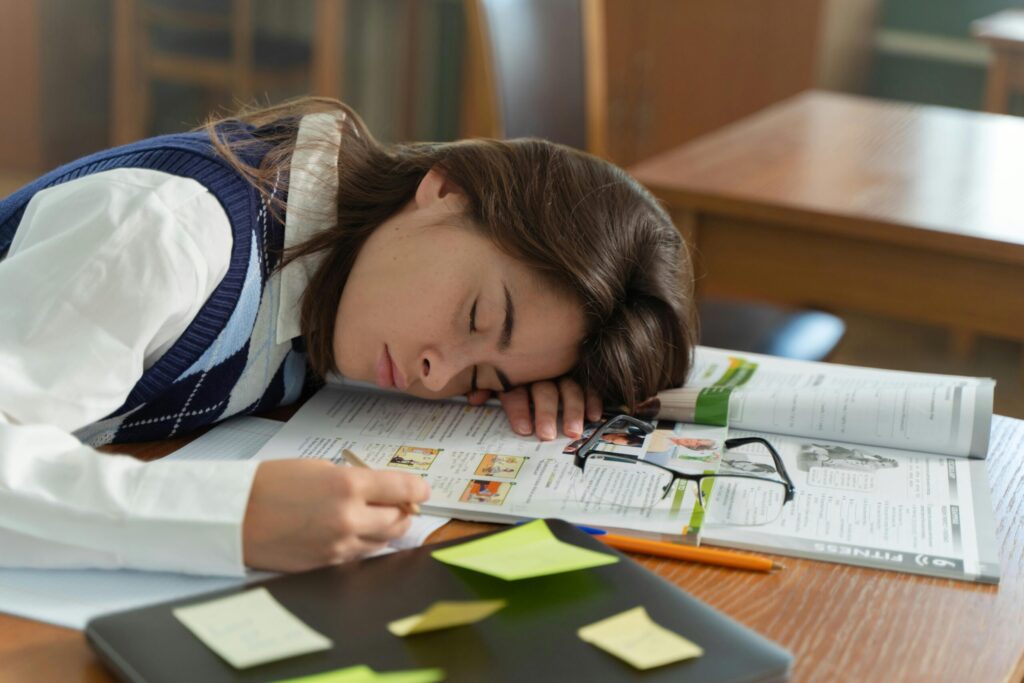

A major new study published in the journal JAMA Pediatrics has found that American teenagers are losing critical sleep because of late-night smartphone use, with many staying active on their phones between midnight and 4 a.m. during school nights. The findings are raising concerns among pediatricians and sleep experts who say disrupted sleep could have serious effects on adolescent mental and physical health.
The research was published on May 18, 2026, and led by Dr. Jason Nagata, an associate professor of pediatrics at the University of California, San Francisco. Researchers from UCSF worked alongside scientists from institutions including the Icahn School of Medicine at Mount Sinai to analyze smartphone habits among adolescents taking part in the long-running Adolescent Brain Cognitive Development (ABCD) Study, the largest study of brain development and child health in the United States.
The study tracked 657 teenagers with an average age of 15. Instead of relying on self-reported screen time estimates, researchers used monitoring software installed on participants’ Android phones to passively record real nighttime usage patterns. Data was collected over multiple years, between September 2022 and May 2024.
Researchers discovered that teenagers spent an average of more than 50 minutes on their phones between 10 p.m. and 6 a.m. during school nights. Even more concerning, more than half of the teens used their devices between midnight and 4 a.m., hours experts describe as essential for deep sleep and brain recovery.
Most of the nighttime activity involved apps such as YouTube, TikTok, Instagram, streaming platforms, messaging apps, and mobile games. According to Nagata, social media apps alone accounted for roughly 33 minutes of nightly use among many participants.
“Sleep is so essential for adolescent brain development, learning and mental health,” Nagata said in interviews following the study’s publication. Researchers warned that replacing sleep with scrolling may worsen problems linked to anxiety, depression, emotional regulation, academic performance, and attention span.
The findings add to a growing body of research showing that poor nighttime habits can quietly damage long-term health. In our post, 7 Night Habits That Quietly Hurt Your Heart, experts explain how unhealthy evening routines may increase cardiovascular risks over time.
Why Experts Say Smartphones Are Disrupting Teen Sleep
According to sleep specialists, smartphones interfere with sleep in multiple ways. Bright blue light from screens can suppress melatonin production, the hormone that helps regulate sleep cycles. At the same time, emotionally stimulating content keeps the brain alert when it should be preparing for rest.
Dr. Mary Carskadon, a professor of psychiatry and human behavior at Brown University who was not involved in the study, said social media apps are particularly problematic because they increase mental arousal before bedtime.
“When you’re supposed to be sleeping, your arousal levels need to go down,” Carskadon explained. “Those are the kinds of interactions that amp up your arousal and make it harder to sleep.”
Researchers also noted that teens may be waking up during the night because of notifications, messages, or habit-driven checking behaviors. Earlier ABCD Study findings showed that 17% of adolescents reported being awakened by calls, texts, or emails at least once every night. Around 20% admitted using their phones after waking up overnight.
Health experts warn that chronic sleep deprivation can affect nearly every system in the body. Scientists are increasingly finding links between sleep patterns and long-term neurological health. Our earlier post, Your Sleep Could Be Warning You About Dementia Years Early, explores how changes in sleep behavior may sometimes signal future brain health problems years before symptoms appear.
Teen Sleep Loss Is Becoming a Public Health Concern
The American Academy of Pediatrics and the American Academy of Sleep Medicine recommend that teenagers get between eight and ten hours of sleep every night. However, researchers say most adolescents regularly fail to meet those targets.
Experts believe smartphones are becoming one of the biggest contributors to poor sleep quality among teenagers. Even short interruptions during the night can affect memory consolidation, emotional stability, learning ability, and overall brain development.
Researchers are also discovering strong connections between sleep quality and metabolic health. In in our earlier post on New Study Links Sleep and Movement to Lower Diabetes Risk, scientists found that healthier sleep patterns combined with regular movement may help lower the risk of diabetes.
What you Can Do as a Parents
Nagata and other researchers say parents should focus on building healthier nighttime routines rather than simply punishing teenagers for phone use. Experts recommend keeping phones outside bedrooms at night, turning off notifications, and creating family media plans with clear boundaries for screen use.
Researchers say parents should also model healthy digital behavior themselves because children often copy adult screen habits. The study authors believe more research is needed to understand which apps and behaviors are most disruptive, but they say the evidence is already clear that late-night smartphone use is interfering with teenagers’ sleep on a large scale.