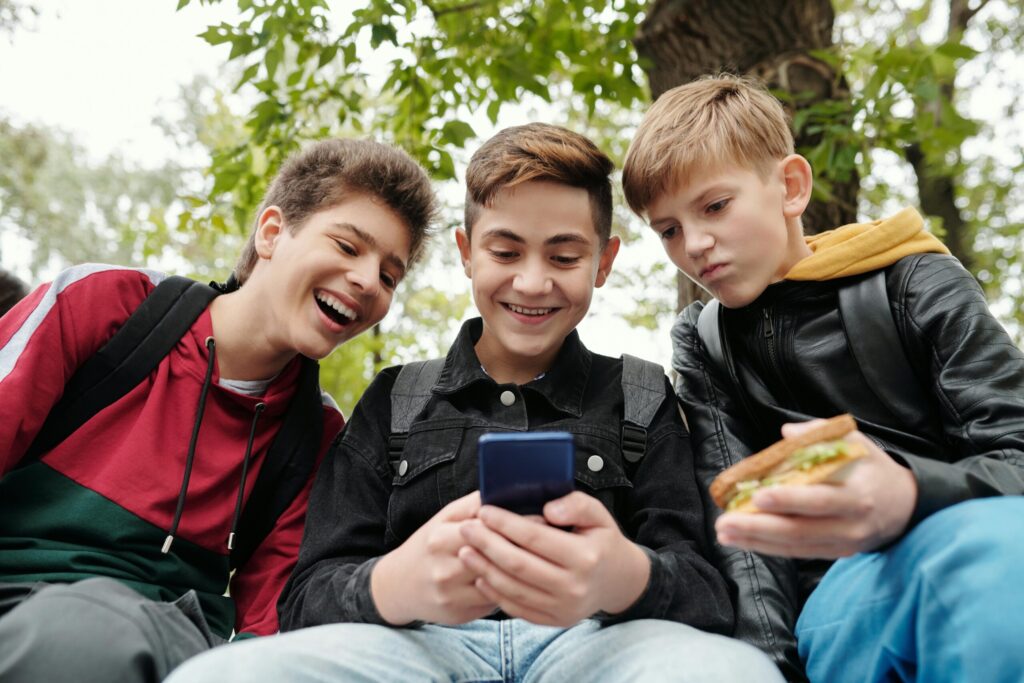

Many parents give their children a phone without much thought. It seems harmless. The child chats with friends. They watch videos. They scroll through social media.
But behind the screen, something deeper may be happening.
The dangers of social media to preteens are becoming a serious concern for parents, schools, and health experts around the world. Studies show that children are joining social platforms earlier than ever before. In fact, nearly 40% of children aged 8–12 already use social media, even though most platforms require users to be at least 13.
Many young users are not emotionally ready for what they encounter online.
The dangers of social media to preteens include cyberbullying, anxiety, addiction, exposure to harmful content, and pressure to compare themselves with others. Understanding these risks can help parents protect their children.
How Many Children Are Using Social Media
The scale of social media use among children is huge. Research shows that 95% of teenagers use at least one social media platform, and more than one third say they use social media almost constantly.
Even younger children are joining these platforms. A recent safety report found that 96% of children in some age groups had used at least one social media platform, and seven in ten reported encountering harmful content online.
This means millions of preteens are exposed to digital environments designed for adults. Because of this, experts increasingly warn about the dangers of social media to preteens and the long-term impact it may have on development.
Mental Health Risks for Preteens
One of the biggest dangers of social media to preteens is the impact on mental health. Studies show that children who spend more than three hours a day on social media face double the risk of mental health problems, including depression and anxiety.
Researchers have also found that frequent social media use is linked to:
- lower self-esteem
- depressive symptoms
- anxiety and emotional distress
This happens for several reasons. Preteens often compare themselves with images they see online. Many of these images are edited or unrealistic. Over time, this comparison can make children feel that their own lives are not good enough.
For young minds that are still developing, this pressure can be overwhelming.
Cyberbullying and Online Harassment
Another serious example of the dangers of social media to preteens is cyberbullying.
Unlike traditional bullying, online harassment can happen at any time. It can follow a child home. It can spread quickly to hundreds of people. Studies show that about one in three young people worldwide have experienced online bullying.
In some countries, more than 26% of teenagers report being victims of cyberbullying.
Social media makes bullying easier because messages can be sent anonymously. Hurtful posts can also be shared and reposted many times. For preteens, this kind of exposure can lead to stress, shame, and social withdrawal.
Exposure to Harmful Content
The internet contains an enormous amount of information. Not all of it is appropriate for children. This is another reason experts warn about the dangers of social media to preteens.
Research shows that seven out of ten children report seeing harmful online content, including violence, hate speech, dangerous challenges, and self-harm content.
Some children also encounter disturbing material such as:
- violent videos
- eating disorder promotion
- dangerous online challenges
- sexual or explicit content
These experiences can affect how children think about the world.Young users may also struggle to tell the difference between real information and harmful trends.
Online Predators and Grooming
Social media also creates opportunities for strangers to contact children. Research shows that almost 10% of tweens have encountered predatory behavior online.
Predators often use fake identities to gain the trust of young users. They may start with friendly messages before slowly manipulating the child. Because preteens are still learning about trust and boundaries, they can be particularly vulnerable.
This is one of the most serious dangers of social media to preteens, and it highlights the importance of parental supervision.
Addiction and Loss of Focus
Many social media platforms are designed to keep users scrolling. Notifications, likes, and endless feeds trigger reward signals in the brain. For developing minds, this can create addictive behavior.
Studies show that more than 11% of adolescents display problematic social media use, meaning they struggle to control how much time they spend online.
When children spend too much time online, several problems may appear.
- They may sleep less.
- They may struggle to focus in school.
- They may lose interest in real-world activities.
These changes are another example of the dangers of social media to preteens.
Social Comparison and Body Image Pressure
Social media often presents idealized lifestyles. People post their best moments. They share edited photos. They highlight success and beauty. For preteens, this constant exposure can create unhealthy comparisons. Studies show that 46% of adolescents say social media makes them feel worse about their body image.
Young users may begin to believe they must look or behave a certain way to be accepted.This pressure can damage confidence and self-worth during a critical stage of development.
How Parents Can Protect Their Children
Understanding the dangers of social media to preteens is the first step. The next step is protection. Parents can take several practical actions.
Start by setting clear rules about screen time. Experts often recommend limiting social media use for young children. Talk openly about online safety. Children should know they can speak to a parent if something online makes them uncomfortable.
Parents should also monitor the platforms their children use and encourage healthy offline activities.These small actions can greatly reduce the risks.
Final Thoughts
Social media is now part of modern childhood. It can help children learn, connect, and express themselves. But the dangers of social media to preteens are real and growing.
Studies link heavy social media use with depression, cyberbullying, addiction, and exposure to harmful content. Millions of children are navigating these risks every day. Parents cannot completely remove the digital world from their children’s lives. But they can guide them.
By understanding the dangers of social media to preteens, parents can help their children develop healthy digital habits and stay safe in an increasingly connected world.