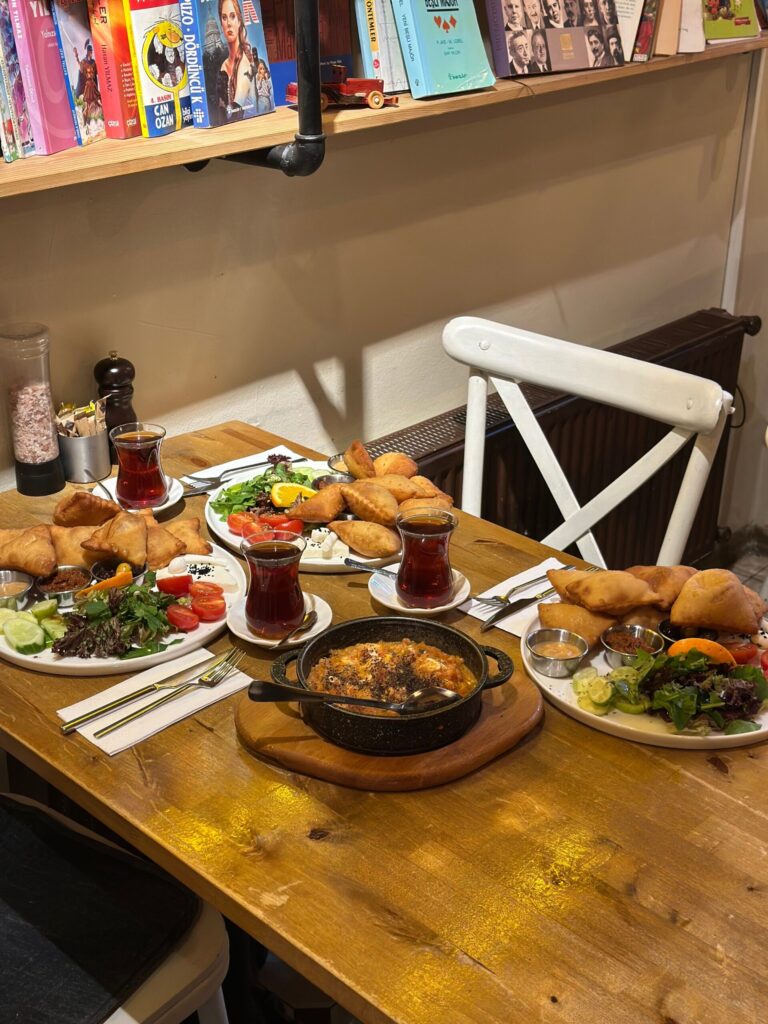

What if a few changes to your daily meals could help you feel better, stay energized, and support your health for years to come? You do not need an expensive diet plan or a kitchen full of unusual ingredients to start eating better. Sometimes, the biggest difference comes from understanding what your body needs and learning how to prepare meals that deliver it.
Food provides the energy your body needs to function. A balanced diet can also support heart health, digestion, healthy bones, and a strong immune system. Over time, your everyday choices can influence your risk of developing conditions such as type 2 diabetes and cardiovascular disease.
But knowing what to eat is not always straightforward. One book recommends cutting carbohydrates. Another encourages more plant-based meals. Somewhere else, you will find advice about meal timing, blood sugar, and eating for longevity.
So, where should you begin?
A good diet book can help you understand the basics, discover new recipes, and develop habits that fit your life. Some focus on scientific research, while others offer practical meal plans or explain particular approaches to eating. Here are 11 books and food guides worth exploring if you want to make more informed choices about what goes on your plate.

Best for: Understanding the connection between food and long-term health.
If you have ever wondered how your everyday meals might affect your health decades from now, this book offers plenty to think about. Written by physician Michael Greger with Gene Stone, How Not to Die explores the relationship between nutrition and major causes of premature death. It examines research on heart disease, diabetes, and other serious health conditions, with an emphasis on the potential benefits of eating more whole plant foods.
The book encourages readers to look beyond individual nutrients and consider their overall eating patterns. That means paying attention to foods such as vegetables, fruits, beans, whole grains, nuts, and seeds.
What makes it interesting is the way it connects nutrition research with everyday decisions. Instead of focusing only on calories, it asks you to consider the quality of the foods you regularly eat.
This is a substantial read, so it may suit someone who enjoys learning the reasoning behind dietary recommendations. You do not have to become vegan to find useful ideas in it. If you want to understand the bigger picture of nutrition rather than follow another short-lived diet trend, this book offers a starting point for further learning.
Best for: Turning healthy eating ideas into actual meals.
Reading about nutrition is one thing. Figuring out what to cook on a busy Tuesday evening is another. That is where The How Not to Die Cookbook comes in. It translates the food principles associated with Michael Greger’s earlier book into practical recipes for everyday cooking.
This diet book includes plant-based meals, snacks, sauces, desserts, and drinks. It gives readers ideas for building meals around vegetables, legumes, whole grains, and other nutritious ingredients.
You might discover a new way to prepare breakfast, make vegetables more appealing, or replace a familiar meal with a plant-based alternative. The aim is to make healthier cooking feel less like a chore. You also do not need to overhaul your entire kitchen before trying the recipes. Start with meals that use ingredients you already enjoy, then experiment with unfamiliar options when you have time.
This book is a particularly useful companion for anyone who understands the benefits of eating more whole foods but needs inspiration in the kitchen.
Best for: Learning about the science behind weight management.
Weight-loss advice can get confusing very quickly. One person recommends counting every calorie, while another insists that meal timing is the secret. Others promote restrictive eating plans that may be difficult to maintain.
How Not to Diet takes a research-focused approach to weight management. Michael Greger examines factors that may influence body weight, including food choices, eating habits, and the environment in which people make decisions about food.
The book discusses ways to build eating patterns around foods that provide plenty of nutrients and fibre. It also considers how everyday habits can affect appetite and energy intake.
An important point is that weight management involves more than willpower. Sleep, physical activity, medications, health conditions, stress, and access to nutritious food can all influence the process.
The book offers plenty of material to explore, although not every recommendation will suit every person. Its approach should be considered alongside individual health needs and current medical advice.
If you want to understand weight management beyond quick fixes and restrictive challenges, this book offers a more detailed introduction to the subject.
Best for: Understanding blood sugar and everyday food choices.
Have you ever felt energetic after breakfast but sluggish a little later? Or found yourself reaching for another snack shortly after eating? Many things can influence energy and hunger, but food composition is one factor worth understanding. In Glucose Revolution, biochemist Jessie Inchauspé explains how the body responds to glucose and discusses ways to structure meals with blood sugar in mind. This diet book presents practical ideas about meal composition, food combinations, and everyday eating habits.
One of its main attractions is its accessible style. Rather than presenting nutrition as a complicated scientific subject, it aims to make the concepts easier to understand and apply. Some suggestions may encourage you to think differently about how you combine carbohydrates, protein, fats, and fibre. For example, adding beans or vegetables to a meal can increase its fibre content and make it more balanced.
However, blood glucose responses vary between individuals. The book should not replace medical advice or prescribed treatment, particularly for people managing diabetes. This book may appeal to anyone curious about how carbohydrates affect the body and how meal composition can support healthier eating habits.
Best for: Exploring metabolism and the role of everyday habits.
Energy is something most people notice when it disappears. A demanding workday, a poor night’s sleep, or an afternoon slump can make even simple tasks feel harder. In Good Energy, physician Casey Means, writing with Calley Means, explores metabolic health and its relationship with daily habits. Food is a central part of the discussion, alongside movement, sleep, and other lifestyle factors.
The book encourages readers to think about how their routines affect the body’s ability to regulate energy and carry out essential functions. For someone trying to improve their lifestyle, this broader perspective can be helpful. Eating well is important, but it works alongside physical activity, adequate sleep, and other influences on health.
This diet book also reflects a particular perspective on metabolic health. Some of its interpretations and recommendations deserve independent scrutiny, so it is sensible to distinguish established nutrition guidance from claims that need more evidence.
If you want a broader discussion of metabolism rather than a cookbook or a strict weight-loss plan, this is one title to investigate.

Best for: Developing a healthier relationship with food.
Not every useful nutrition book is about losing weight or following a set meal plan. Intuitive Eating, by registered dietitians Evelyn Tribole and Elyse Resch, takes a different approach. It focuses on helping people understand their hunger, fullness, food preferences, and relationship with eating.
The book challenges the idea that everyone needs to follow rigid food rules to eat well. It encourages readers to move away from cycles of restriction and overeating and to pay attention to their body’s signals.
That does not mean nutrition becomes irrelevant. The approach also encourages gentle attention to nourishment and satisfaction, rather than treating every meal as a test of discipline.
For people who have spent years moving between strict diets, this perspective may offer a useful change. It can help them reflect on the habits and emotions that influence their food choices. Intuitive eating is not a treatment for every eating difficulty, and some people may need support from a qualified health professional.
This diet book is worth exploring if you want to approach food with less guilt and develop eating habits that feel more sustainable.
Best for: Finding plant-based recipes for long-term healthy eating.
Healthy eating should not be limited to what you put on your plate today. It is also worth considering the habits you can maintain over many years. The How Not to Age Cookbook brings nutrition and cooking together through recipes designed around foods associated with healthy eating patterns. The collection offers ideas for meals, snacks, and other dishes that can help readers incorporate more nutritious ingredients into their routines.
You do not need to make every recipe or follow every recommendation to benefit from a cookbook. Sometimes, finding three or four meals you genuinely enjoy is enough to make home cooking easier throughout the week.
The book may be especially appealing to people who want more plant-based inspiration without relying on the same handful of meals. Of course, no cookbook can guarantee a longer life or prevent every age-related condition. Genetics, environment, access to healthcare, and many other factors also affect long-term health.
If you enjoy recipe books and want ideas for making nutritious meals part of your regular routine, this is a promising option.
Best for: Discovering a flexible approach to everyday meals.
The Mediterranean diet is not a single menu or a rigid set of rules. It generally emphasizes vegetables, fruit, legumes, whole grains, nuts, olive oil, and other minimally processed foods. Depending on the version, it may also include fish, dairy products, poultry, and smaller amounts of red and processed meat.
A Mediterranean diet book can help turn those broad principles into practical meals. Think vegetable-rich stews, bean salads, whole-grain dishes, grilled fish, and meals built around ingredients that work together naturally.
One reason this approach appeals to many people is its flexibility. You can adapt recipes to your budget, local ingredients, and personal preferences without needing to buy specialized diet products. For readers in South America, for example, beans, green vegetables, groundnuts, whole grains, and seasonal fruit can contribute to a nutritious eating pattern. There is no need to import every ingredient associated with Mediterranean cooking.
Look for a cookbook with clear instructions, accessible ingredients, and recipes you can realistically prepare. This category is worth exploring if you want a practical collection of recipes rather than a strict diet program-me.
When comparing editions, check the author’s credentials, sample recipes, and whether the ingredient lists fit your budget.
Best for: Understanding plant-based eating alongside exercise.
If you exercise regularly, food needs to do more than satisfy hunger. It also helps provide energy for activity and nutrients that support recovery. The Plant-Based Athlete, written by Matt Frazier and Robert Cheeke, explores how athletes can approach training and performance while eating a plant-based diet. The book discusses the practical side of fueling an active lifestyle. That includes thinking about meals, recovery, and how to get enough nutrients from plant foods.
People who train regularly may find its focus useful because plant-based eating requires attention to food variety and adequate energy intake. Protein is important, but it is not the only nutritional consideration. Carbohydrates, fats, vitamins, minerals, and total calorie intake matter too.
Plant-based athletes can obtain protein from foods such as beans, lentils, peas, soy products, nuts, and seeds. The right combination depends on individual needs, training demands, and the foods available. You do not have to compete professionally to find the subject interesting. The ideas may also appeal to people who walk, cycle, lift weights, or enjoy recreational sports.
This diet book is worth a look if you want to explore the relationship between plant-based nutrition, exercise, and athletic performance.
Best for: Learning about food preservation and emergency food preparedness.
Healthy eating also depends on something easy to overlook: having access to food when you need it. The Lost Super-foods is a different kind of recommendation from the nutrition books above. Rather than focusing mainly on everyday diet planning, it explores traditional food preservation and ways to prepare for disruptions to normal food supplies. The subject may appeal to households interested in reducing food waste, building a pantry, or learning how food can be stored for longer periods.
Some traditional preservation methods are useful to understand, but they must be applied correctly. Improperly preserved food can become unsafe, so readers should verify food-safety instructions against reliable guidance rather than assume every historical method is suitable today.
It is also important to distinguish food preparedness from claims about nutritional superiority. A food being traditional or unusual does not automatically make it healthier than familiar alternatives.
If you are interested in food storage, self-sufficiency, and making your household less vulnerable to supply interruptions, this guide explores a different but related side of food planning.
Best for: Exploring a wide range of foods and their nutritional properties.
Sometimes, improving your diet starts with becoming more curious about the ingredients you already use. A food reference guide such as The Encyclopedia of Power Foods can provide a way to explore different ingredients, their nutritional characteristics, and how they might fit into everyday meals.
This type of book may be useful when you want to move beyond a repetitive menu. You could explore unfamiliar vegetables, learn about different sources of fibre, or compare the nutrients supplied by various foods.
Still, it is worth approaching the term “power foods” with a little caution. No single ingredient can compensate for an otherwise unbalanced diet, and expensive so-called super-foods are not automatically better than affordable everyday staples. A varied diet can include familiar foods such as beans, leafy greens, eggs, fruit, whole grains, seeds, and other ingredients that suit your nutritional needs and budget.
Before buying this title, check the specific edition, author, contents, and sample pages. That will help you determine whether it offers reliable, practical information rather than exaggerated claims.
This food reference diet book may suit readers who enjoy learning about ingredients and want more ideas for building variety into their meals.
How to Choose the Right Diet Book for You
With so many diet books available, it is tempting to choose the one making the boldest promises. A better approach is to start with what you actually want to learn.
Consider these questions before buying:
- Do you want recipes? A cookbook may be more useful than a book filled with scientific explanations.
- Are you curious about nutrition science? Look for books that explain their evidence and identify their sources.
- Are you interested in weight management? Choose resources that avoid unrealistic promises and extreme restrictions.
- Do you want to improve your relationship with food? Consider approaches that encourage sustainable habits rather than guilt.
- Are you managing a health condition? Check whether the advice is appropriate for your needs and discuss significant dietary changes with a qualified healthcare professional.
- Will you actually use the book? Sample pages, ingredient lists, and the writing style matter more than an impressive cover.
It is also worth checking the publication date and author’s qualifications. Nutrition research develops over time, and not every popular recommendation has equally strong evidence behind it.
Remember that the most expensive diet book is not necessarily the most useful. A straightforward cookbook you use every week may be more valuable to you than a large reference book that stays on the shelf.
Small Changes That Can Make Healthy Eating Easier
You do not have to read all eleven books before improving your meals. Start with a few realistic changes and build from there.
Try adding a vegetable or fruit to meals that currently contain very little produce. Include beans, lentils, eggs, fish, or another suitable protein source. Choose whole grains more often when they are available and affordable.
You can also make cooking easier by planning a few meals ahead. Preparing beans, chopping vegetables, or cooking a larger portion for another day may save time during a busy week.
Pay attention to drinks, too. Water is a sensible everyday choice for hydration, while frequent sugary drinks can add substantial amounts of sugar to your diet.
Most importantly, avoid turning healthy eating into an all-or-nothing challenge. Your meals do not need to be perfect. Consistent, manageable habits are generally easier to maintain than a dramatic change you abandon after a week.
If you want to explore the wider lifestyle picture, The Lantern Post has more practical reading for everyday life:
- 7 Night Habits That Quietly Hurt Your Heart
- Unspoken Rules of Adult Life Nobody Tells You
- The Hidden Cost of Sleep Deprivation for Students
- Top 5 Morning Routines of Successful People
Food choices matter, but they are only one part of a healthy lifestyle. Sleep, physical activity, stress management, social connections, and access to appropriate healthcare also deserve attention.
Final Thoughts
The best diet books are not necessarily the ones promising the fastest transformation. They are the ones that help you understand food, make informed decisions, and develop habits you can maintain in real life.
Some of the diet books on this list focus on nutrition science. Others offer recipes, explore weight management, or examine how food choices fit into a wider lifestyle. The right starting point depends on your interests, needs, and budget.
You could begin with a cookbook if you need fresh meal ideas. Choose a research-focused book if you want to understand nutrition more deeply. Or explore a different approach to eating if strict diet rules have never worked well for you.
You do not need to change everything overnight. Pick one useful idea, try it in your daily routine, and see whether it works for you. Over time, those small decisions can help you build a more balanced relationship with food and support your overall well-being.
The Lantern Post may earn a commission if you purchase a book or guide through affiliate links in this article, at no additional cost to you. These commissions help support our work. We aim to recommend resources based on their relevance to readers, not simply their earning potential.