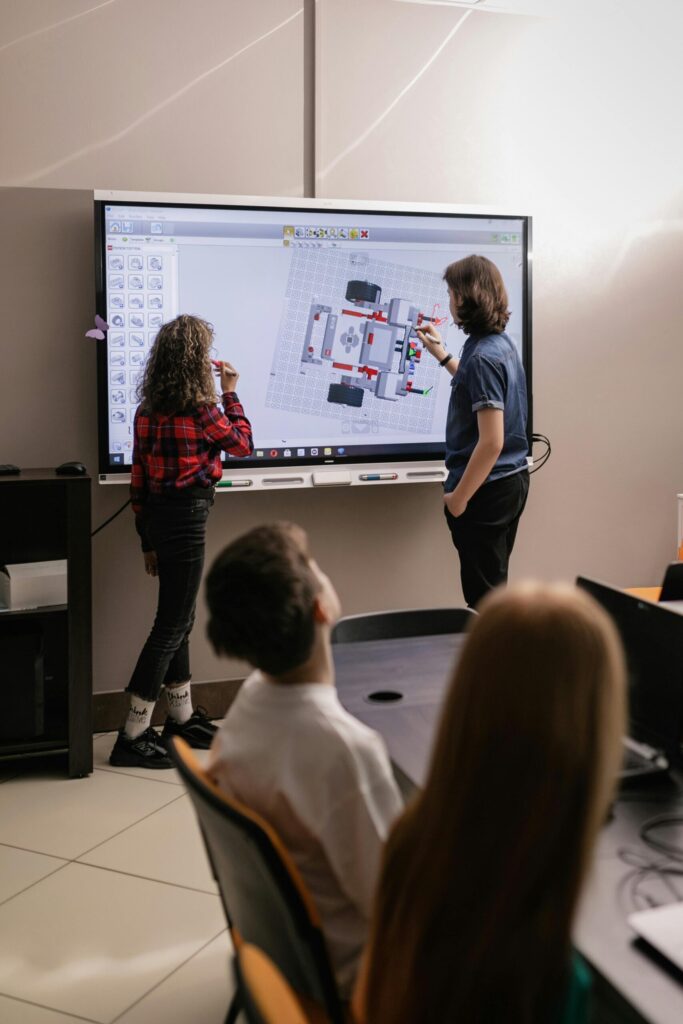

AI tools are no longer optional for students. A 2025 Digital Education Council survey found that 92% of students now use AI weekly, and those who do save 3–5 hours per week. That is a big advantage during exams, scholarship applications, and heavy coursework. Here are seven free tools students are actually using in 2026 and how each one helps.
1. Perplexity AI
Perplexity is quickly becoming the go-to research assistant. Instead of scanning multiple websites, you get summarized answers with citations. Students report finishing research tasks up to 40% faster based on platform usage insights. It is especially useful for quick background reading before writing assignments.
2. Notion AI
Note-taking becomes easier with Notion AI. It summarizes lectures, creates study guides, and organizes ideas. A productivity analysis from Notion users showed note-taking time dropping from 45 minutes to about 18 minutes on average. Many students now use it as their digital notebook.
3. Grammarly Free
Grammarly remains one of the most trusted writing assistants. With over 30 million daily users, it checks grammar, clarity, and tone instantly. Their data suggests students improve writing quality scores by up to 20% after consistent use. It works across email, documents, and browsers.
4. Wolfram Alpha
Wolfram Alpha is powerful for math and science. It solves equations and explains steps clearly. The platform is built on over 10 trillion pieces of curated data, making it highly reliable. It saves time when dealing with complex calculations.
5. Quizlet AI
Quizlet now uses AI to generate flashcards and practice tests automatically. The platform reports 60 million monthly users, many of them students preparing for exams. You can upload notes and instantly create revision materials. It is perfect for memorization-heavy subjects.
6. Canva Magic Write
Students use Canva’s AI writer to draft essays, presentations, and outlines. Canva reports more than 170 million global users, with education among the fastest-growing segments. It is especially helpful when creating visual assignments.
Otter.ai converts lectures into searchable notes. This is useful if you miss details during class. The platform supports live transcription and summaries. Students using transcription tools report better retention because they focus on listening instead of typing.
AI tools do not replace studying. They remove friction. UNESCO data shows students today handle 30% more coursework than a decade ago. Tools like these help manage that load without burnout. Start with one and track how much time you save.
If you are also exploring funding opportunities, you may find this guide helpful: 15 Fully Funded Undergraduate Scholarships for International Students in 2026. Combining smarter study methods with scholarships can accelerate your academic journey.
The bottom line is simple. Students who use AI strategically are saving time, improving grades, and reducing stress. In 2026, that advantage is hard to ignore.